
Pacific Delivery Stories
Real projects, real conditions, real outcomes — how Evologic delivers across the South Pacific.
These case studies reflect the reality of project delivery across the South Pacific. Each presented a different set of challenges — and each demonstrates Evologic's ability to coordinate, adapt, and deliver.
Delivering Renewable Energy Across the South Pacific
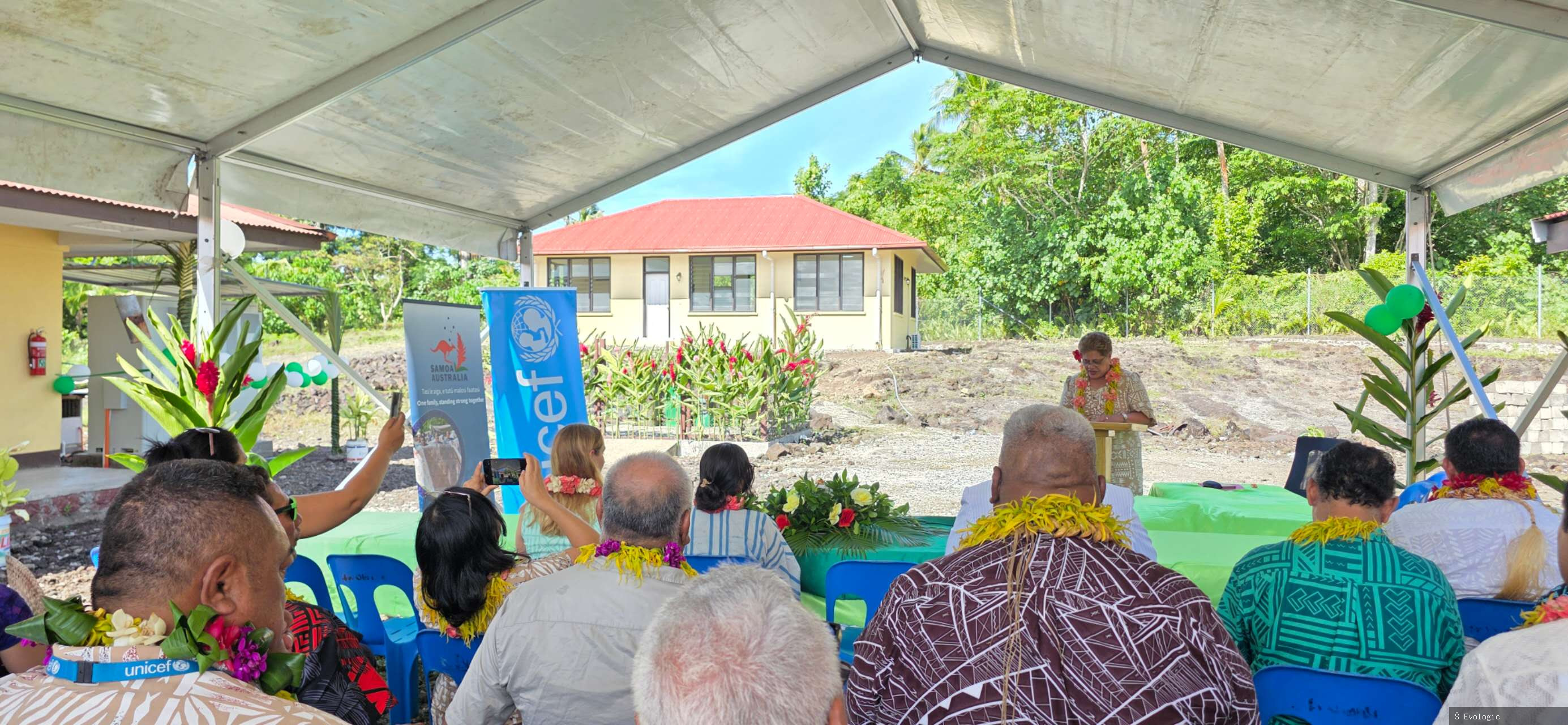
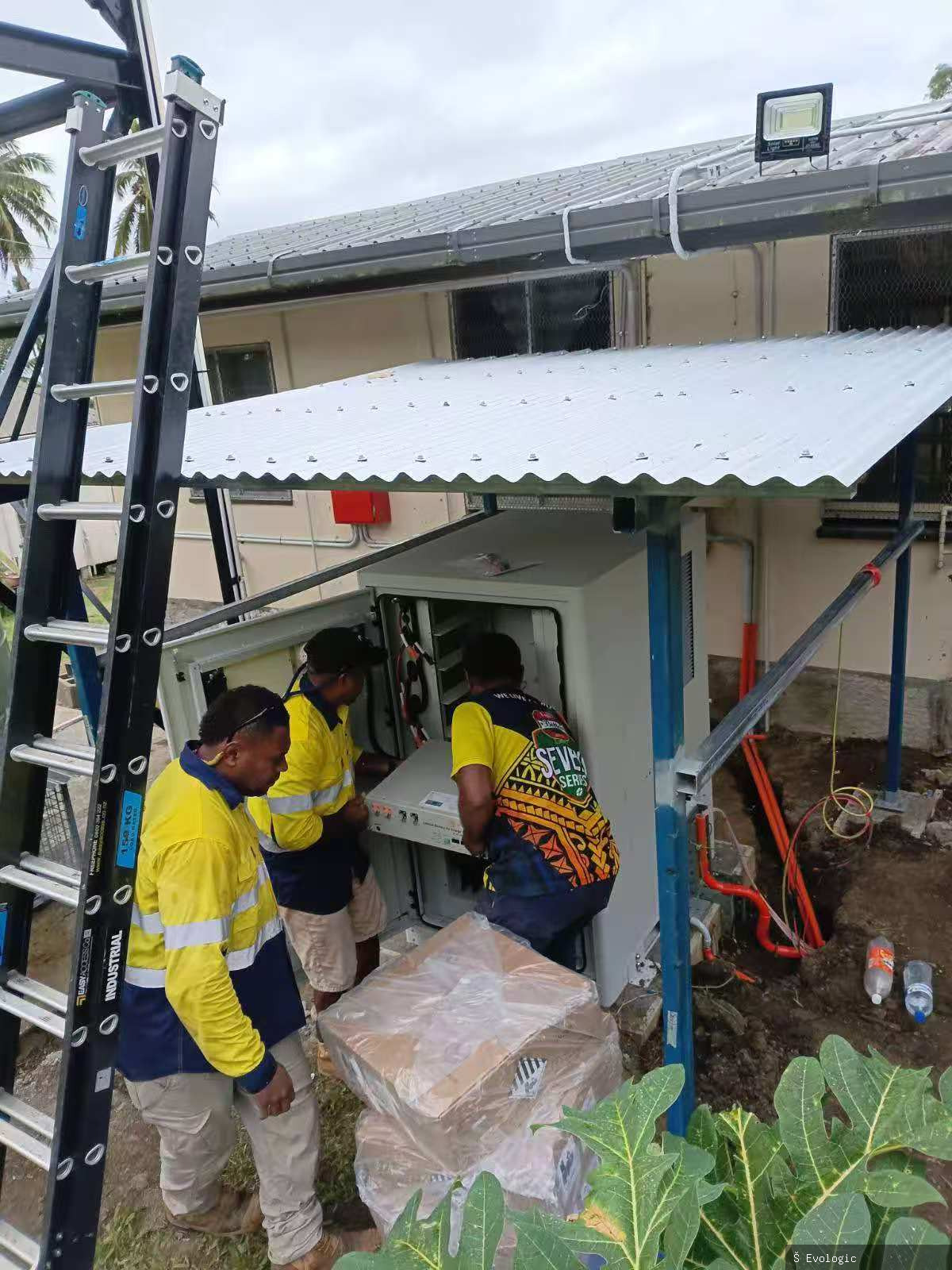
Evologic supported the delivery of a regional renewable energy programme providing solar and battery systems to remote healthcare facilities across the South Pacific.
Working across multiple island nations required more than technical expertise. Every country had its own government structures, approval processes, operational priorities, and local delivery partners. Success depended on careful coordination, adaptive programme management, and the ability to respond effectively to changing circumstances throughout implementation.
Delivering infrastructure across multiple Pacific island nations requires navigating different regulatory environments, government processes, logistics networks, and cultural contexts simultaneously.
Throughout the programme, project conditions evolved as governments refined priorities, operational requirements, and implementation schedules. Flexibility and continuous stakeholder engagement were essential to maintaining programme momentum.
In one instance, all equipment and materials had been delivered, logistics were complete, and installation teams were ready to commence work when the relevant government advised that all planned healthcare facilities would be relocated to new sites. Implementation was paused while alternative locations were reviewed and formal approvals were completed. The approval process extended over six months before the project could proceed.
Rather than treating this as a setback, the programme required disciplined coordination, ongoing communication, and the ability to maintain readiness while supporting government decision-making.
Evologic coordinated the programme through changing operational conditions by:
Adapting programme plans and implementation schedules as project requirements evolved.
Coordinating procurement, logistics, and equipment readiness across multiple island locations.
Conducting site assessments and supporting technical planning.
Identifying and coordinating qualified local installation partners.
Managing communication between government ministries, implementing agencies, contractors, and project stakeholders.
Maintaining project documentation, quality assurance, and delivery oversight throughout implementation.
Supporting commissioning, handover activities, and project completion.
Despite changing project requirements, complex logistics, and evolving government priorities, the programme continued to progress through collaborative planning and adaptive delivery management.
The experience reinforced that successful infrastructure delivery in the South Pacific depends not only on technical design, but also on trusted relationships, effective stakeholder coordination, and the ability to adapt confidently to changing operational environments.
Solving Real-World Delivery Challenges in a Outer Island Context
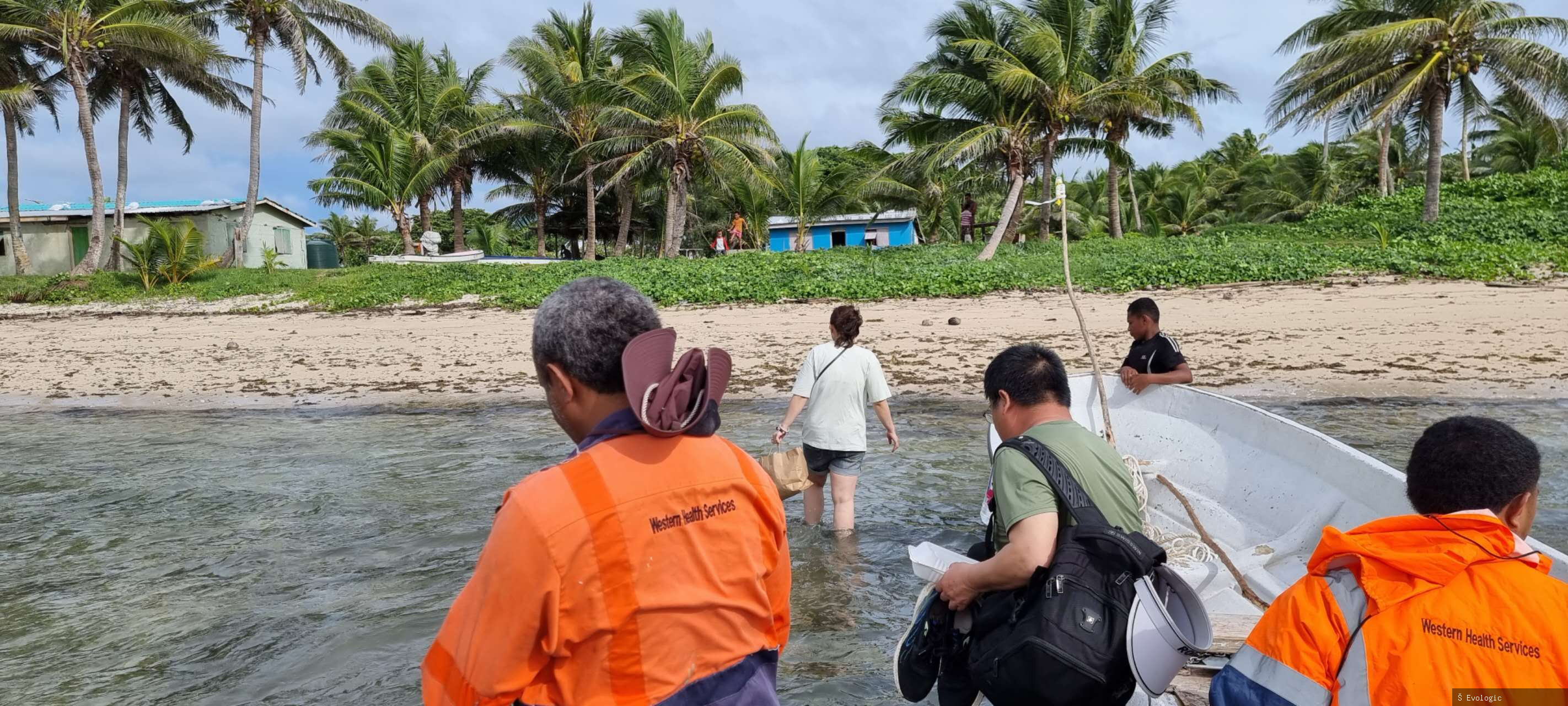
Four healthcare facilities on a large outer island with no accommodation near the sites. Project staff travelled 5–6 hours daily to reach and return from worksites. Even a minor spare part or small technical issue could consume more than half a working day in travel time alone.
Frequent voltage fluctuations on the local utility grid caused the inverter protection system to shut down repeatedly during commissioning. Although the equipment was functioning correctly, the unstable grid environment triggered protective shutdowns and damaged several electrical components. This issue is common across Pacific Island solar installations, where grid instability is often underestimated during project design.
Evologic managed installation schedules around long daily travel times, bridged the gap between technology and local operating realities, identified the root cause, protected donor‑funded assets, and worked closely with both the technical and installation teams to develop a scalable, long‑term solution.
All four facilities successfully commissioned and handed over, providing reliable renewable energy for healthcare services. The project demonstrated Evologic's ability to adapt to real-world conditions where logistics and infrastructure limitations present greater challenges than the technology itself.
Managing Delivery Risk When a Contractor Withdraws Mid-Project
During the installation phase of a renewable energy programme in one of the Pacific Island countries, the appointed local contractor unexpectedly withdrew from the project before completing the works. This sudden departure created immediate operational and contractual risks, threatening progress, timelines, and budget integrity.
The withdrawal occurred mid‑installation, leaving critical tasks unfinished and no local team on site. Without rapid intervention, the programme faced significant delays, contractual uncertainty, loss of equipment and materials, reduced stakeholder confidence, and limited replacement options due to the remote island context. In Pacific Island environments — where logistics are complex, travel times are long, and qualified contractors are scarce — such disruptions can quickly escalate into major delivery risks.
Evologic stepped in immediately after the contractor withdrew, taking over installation scheduling across long daily travel routes and stabilising on‑site operations. The team protected equipment and materials, navigated limited replacement options, secured another contractor to carry the project forward within budget, and rebuilt stakeholder confidence through clear communication and strengthened oversight. Working closely with both the technical and installation teams, Evologic ensured continuity and delivered a scalable, long‑term solution that kept the programme on track.
The project continued with minimal disruption. The lesson the Pacific consistently reinforces: project success depends as much on managing people, logistics and relationships as it does on technical design.